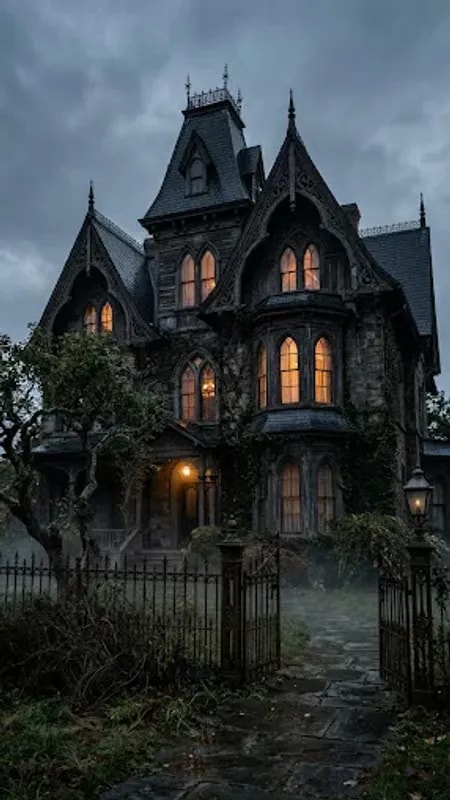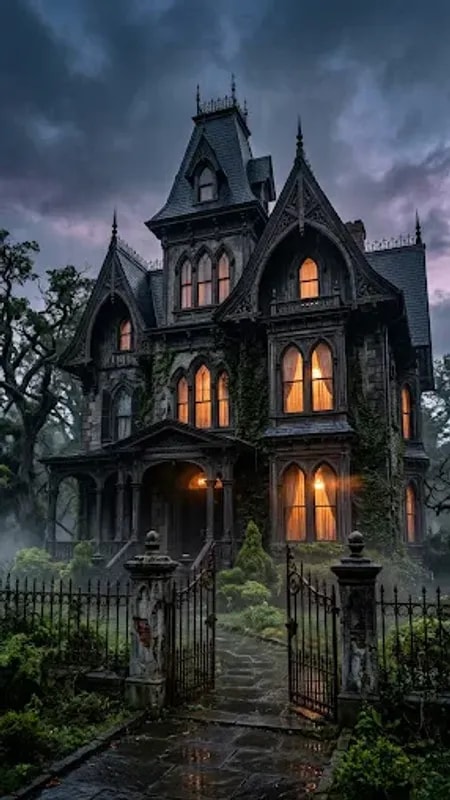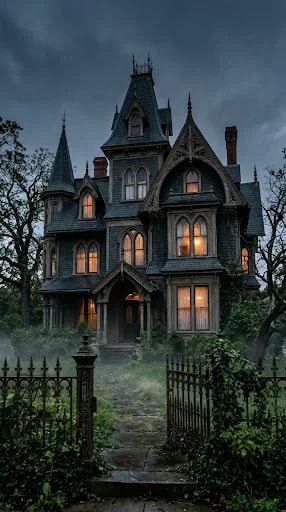
Few houses announce themselves the way a Gothic Revival mansion does. Long before you reach the door, the silhouette has already told you a story: steeply pitched roofs slicing into an overcast sky, gables stacked like folded wings, and a line of decorative spires that seems designed to scratch the clouds. Gothic style home exterior design is not about blending in with the neighborhood. It is about verticality, shadow, and the slow reveal of an entrance that feels less like a front door and more like a threshold.
The architecture earns that impression through a handful of signature moves. Pointed arches frame the windows and the porch, pulling the eye upward and giving even modest openings a cathedral-like lift. Steep roof pitches shed rain and snow beautifully, but their real job is sculptural, creating dark planes that catch the light for only a few hours a day. Ornament does the rest: carved bargeboards along the eaves, finials capping each gable, hood molds over the windows, and chimneys tall enough to look intentional rather than merely functional. Stone or brick carries the weight best, though painted wood clapboard can work if the trim stays crisp and the roofline stays sharp.
The most photographed version of this style leans into weather. Slate blues, charcoal shingles, mossy greens, and aged stone read as deliberate when the sky is heavy and the windows glow warm amber from inside. That contrast is the whole trick of Gothic curb appeal: cool, hard, moody masonry outside, and a honeyed invitation within. Landscape the approach to match. A wrought-iron gate, a stone path that curves just enough to hide the door until the last moment, yew or boxwood kept dense and dark, and climbing ivy allowed to soften a corner rather than swallow the facade. Restraint matters. Let three or four elements carry the drama and keep the rest quiet, or the composition tips from mysterious into merely cluttered.
Modern life asks a few practical questions of all this romance. Deep roof valleys and steep pitches need proper flashing and gutters sized for real storms. Tall windows want high-performance glazing so the amber glow does not become an energy bill. Painted trim on wood exteriors needs repainting every several years, and delicate finials are best specified in materials that shrug off freeze-thaw cycles. None of that diminishes the effect. It simply means the drama is engineered, not improvised.
What makes Gothic exterior design endure is its refusal to be cheerful. Most homes are designed to look welcoming in sunlight. This one is designed to look unforgettable at dusk, with fog in the garden and a single lamp burning behind a pointed arch. Get the proportions and the palette right, and every arrival home becomes a small, delicious shiver.